El problema en una línea: en gran parte de África, un paciente puede ser tratado por la enfermedad equivocada durante meses o años, porque escasean las pruebas, los especialistas y la patología que confirman un diagnóstico. India se ha convertido en un lugar donde las familias vuelven a verificar ese diagnóstico, con rapidez y a un precio que pueden planificar.
The Gap Behind a Wrong Diagnosis
Un diagnóstico no es una sola decisión. Es una cadena: un clínico que sospecha lo correcto, una prueba que puede demostrarlo, un laboratorio que la lee correctamente y un especialista que actúa en consecuencia. En muchos sistemas de salud africanos, hay eslabones ausentes o débiles en esa cadena.
The Lancet Commission on diagnostics estimated that between 35% and 62% of people in low- and middle-income countries have no access to the diagnostic resources needed for six common conditions, and that most of the unmet need is at community level (Ondoa et al., The Lancet, October 2021). That range covers all low- and middle-income countries, not only Africa.
- Africa, average1
- United States / United Kingdom55
Africa: about 1 pathologist per 1,000,000 people. US and UK: about 1 per 15,000–20,000, shown here as roughly 50–67 per million (midpoint 55). Source: Fleming K., 'Pathology and cancer in Africa', ecancer, 2019, citing Nelson et al., J Clin Oncol 2016. The 2016 survey used a convenience sample, so treat the figures as indicative.
The same review reports that about 80 pathologists a year graduate across sub-Saharan Africa, and that tissue diagnosis rates were about 80% in large cities but only about 40% in Niamey, Niger. It quotes the line that in a high-income country "it would be inconceivable to treat a tumour when its pathology is unknown" (ecancer).
What Gets Missed: Cases in the Press
The following cases come from published news reports. We name the outlet and date, and we leave out private individuals' names. They are the patients' and families' accounts as reported; we cannot verify the medical details.
| What was reported | Where | Outlet and date |
|---|---|---|
| A woman treated for migraine for months; later found to have a brain tumour that could no longer be operated on | Port Harcourt, Rivers State, Nigeria | News Agency of Nigeria, carried by Peoples Gazette, 18 Feb 2025 |
| Lab results read as an ulcer; appendicitis found only after it ruptured, and the patient died after surgery | Rivers State, Nigeria | Same report |
| A man treated for hypertension for three years, then diagnosed with Parkinson's disease by another consultant | Akwa Ibom State, Nigeria | Same report |
| A young man with kidney failure whose bone pain was long blamed on his bones; in India, doctors found over-active parathyroid glands as the cause | Kenia | The Standard (Kenya), undated, labelled eight years old when we read it |
| A woman who received two wrong diagnoses in two years before her sister took her to India | Kenia | The Standard (Kenya), same article |
The Nigerian report quotes a consultant at the University of Port Harcourt Teaching Hospital who blames quackery, inadequate training and weak regulation, and a laboratory scientist who points to overburdened hospitals and poor infrastructure. It gives no national misdiagnosis rate, and we do not claim one (lea el informe).
Por qué le importa: un diagnóstico erróneo no es solo un riesgo médico. Las familias del informe de Kenia dijeron haber gastado más de Sh1 million en un tratamiento que no ayudó, frente a unos Sh500,000 por la revisión y el tratamiento en India. Es el relato de una familia, no un promedio.
Why Rechecking Works
- The right test first. Una biopsia de tejido, una resonancia MRI o un panel hormonal pueden resolver en días lo que meses de tratamiento no lograron.
- A second pair of eyes. Slides and scans can be re-read by a second specialist before any surgery or chemotherapy.
- Several specialists, one visit. El paciente keniano citado consultó a un especialista en riñón, a un ortopedista y a un cirujano, con estudios de imagen, en un solo viaje.
- No treatment before proof. Where possible, treatment starts only once the pathology is known.


Dónde encaja India y dónde no
India received 644,387 foreign patients in 2024 from more than 100 countries, and Kenya alone sends more than 10,000 patients a year according to figures the Kenyan insurer NHIF gave The Standard. India also trains Kenyan doctors, and Kenyan insurers have agreements with Indian hospitals.
| Often the situation at home | Lo que buscan los pacientes en India | |
|---|---|---|
| Diagnosis | Tests in few cities; long waits for reports | Diagnóstico por imagen, patología y especialistas en un solo hospital |
| Second opinion | Hard to get; costly | Una consulta de US$99 con un especialista, con dos llamadas |
| Cost clarity | Paid out of pocket, bill grows as tests repeat | Un presupuesto por escrito antes de viajar |
| Language and support | Unclear who to trust | One named coordinator from first message to return |
Honest limits. India no es la respuesta para todos los casos. Algunas afecciones se tratan bien en su país. Se lo decimos y nunca insistimos en la cirugía. Primero van una videoconsulta y la revisión de sus informes, y le diremos si viajar no vale la pena.
Qué hacer si no está seguro de un diagnóstico
- 1Gather everything
Letters, scans (the images, not only the report), lab results and medicine lists.
- 2Ask for the slides or blocks
If you had a biopsy, ask the lab to release the slides or tissue block for a second read.
- 3Get a specialist review
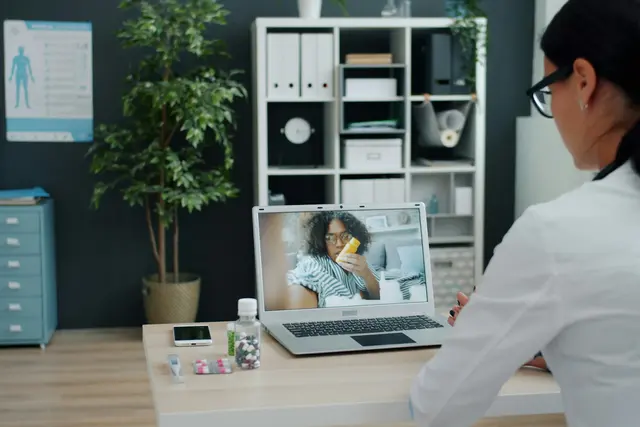
Una videoconsulta cuesta US$99 e incluye dos llamadas: un seguimiento o una segunda opinión de otro médico.
- 4Decide with a written estimate
Compare el costo y el tiempo con lo que tiene en su país antes de viajar.
Continue with cómo se revisa de nuevo un diagnóstico en India, paso a paso, and read tratamientos difíciles de encontrar en África y our Africa Patient Desk.
¿Planea un tratamiento en India? Empiece con una consulta con especialista por $99. Un solo coordinador le acompaña desde la primera pregunta hasta el regreso seguro a casa.
Investigación independiente. Las cifras proceden de las fuentes oficiales y publicadas que se indican abajo, tal como estaban cuando las comprobamos (octubre de 2026). BookMedTrip es un facilitador independiente, no está afiliado a ningún organismo público, hospital, entidad benéfica u organización aquí mencionados y no recibe comisión de ellos. Si algo está desactualizado o es inexacto, escriba por favor a care@bookmedtrip.com y lo corregiremos.
Preguntas
Is misdiagnosis common in Africa?
No single national rate exists in the sources we found. What is documented is limited access to diagnostics and pathology, and press reports of wrong or delayed diagnoses.
Can I get a second opinion without travelling?
Sí. Envíe sus informes y estudios para una consulta de US$99 con un especialista, con dos llamadas, antes de decidir viajar.
¿Es India siempre la respuesta?
No. We tell you honestly when treatment at home or nearby is the better choice.